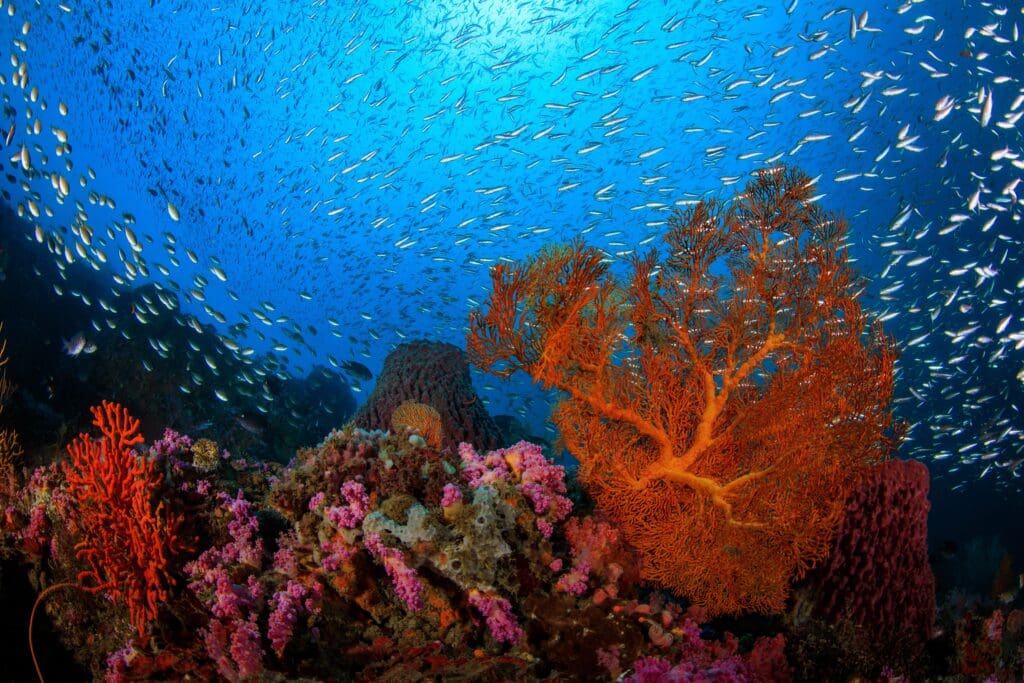
‘I can mention many moments that were unforgettable and revelatory. But the most single revelatory three minutes was the first time I put on scuba gear and dived on a coral reef.‘ — David Attenborough
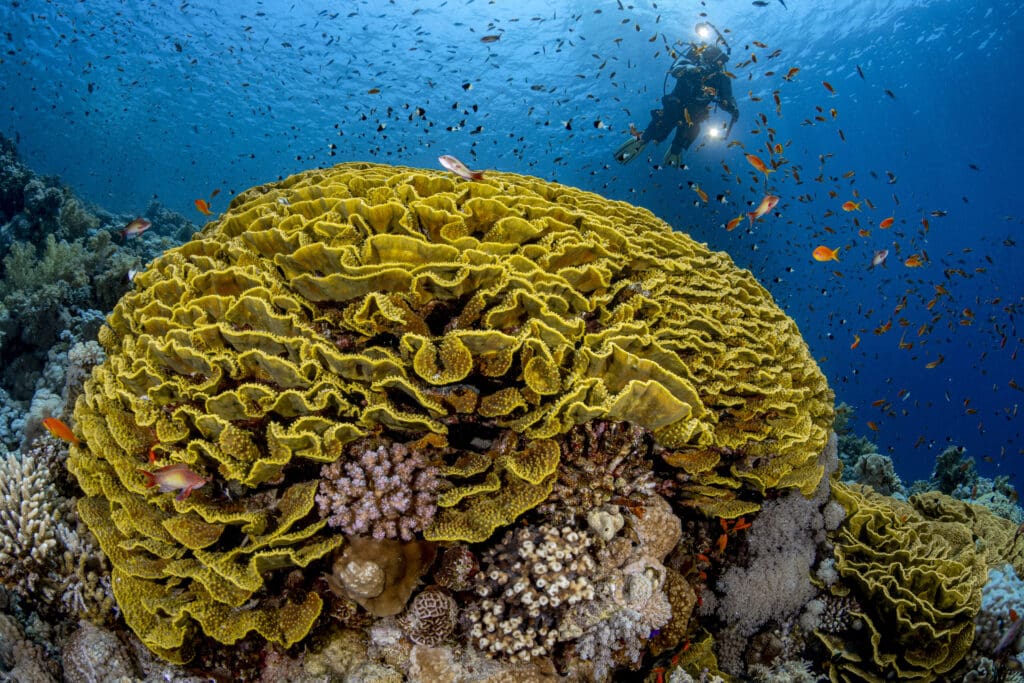
Coral reefs are among the most vibrant and life-sustaining ecosystems on Earth. Though they cover less than 1% of the ocean floor, their importance to marine life — and to human communities — is immeasurable. Often referred to as “the rainforests of the sea,” coral reefs support an estimated 25% of all marine species, providing food, shelter, and nursery grounds for an extraordinary diversity of life.
From microscopic organisms to manta rays, giant clams, and even whale sharks, countless species depend on reefs to survive.
Beyond their ecological importance, coral reefs underpin the wellbeing of around one billion people worldwide. Coastal communities rely on them for food security, livelihoods, tourism income, and shoreline protection. In economic terms alone, coral reefs contribute billions of dollars annually to global economies.
Why Coral Conservation Is Now Urgent
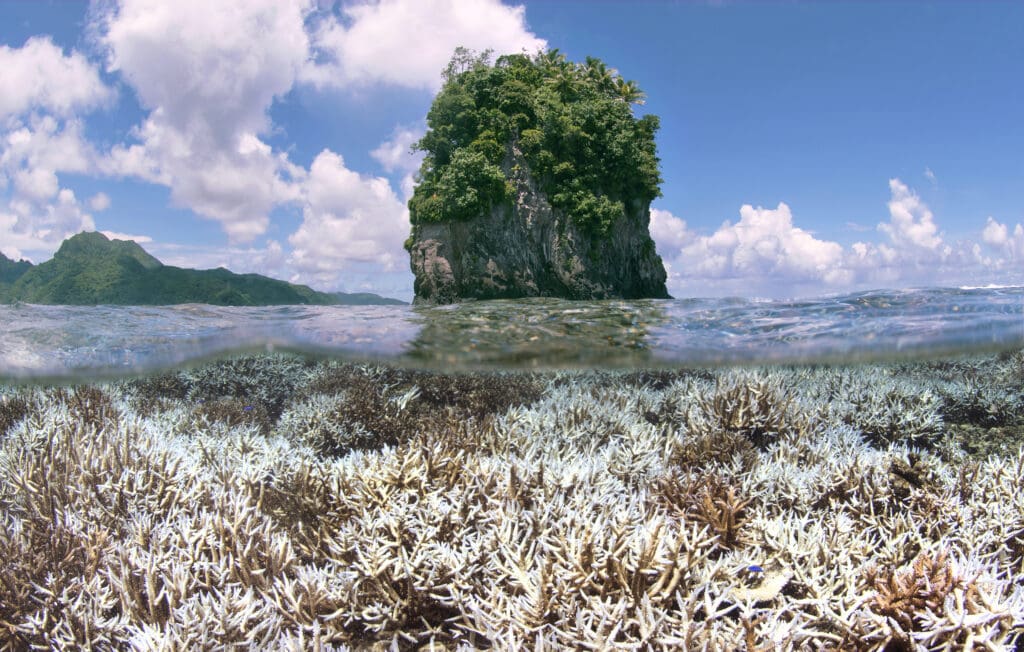
Despite their resilience, coral reefs are under unprecedented pressure. Climate change, rising ocean temperatures, pollution, overfishing, and habitat destruction are driving widespread reef decline.
In recent years, the world has witnessed the most extensive coral bleaching event on record, with scientists estimating that more than 80% of reefs globally have experienced heat stress. As ocean temperatures rise, corals expel the symbiotic algae that give them colour and energy — leaving reefs weakened and, if prolonged, lifeless.
The future of coral reefs now depends on a combination of global climate action and targeted conservation efforts.
How Coral Restoration Is Making a Difference
Around the world, scientists, conservationists, and coastal communities are working together to support reef recovery using innovative and inspiring approaches.
Coral Nurseries
Fragments of healthy coral are carefully cultivated in protected underwater nurseries, where they can grow in optimal conditions. Once mature, they are transplanted onto degraded reefs, helping to accelerate natural regeneration.
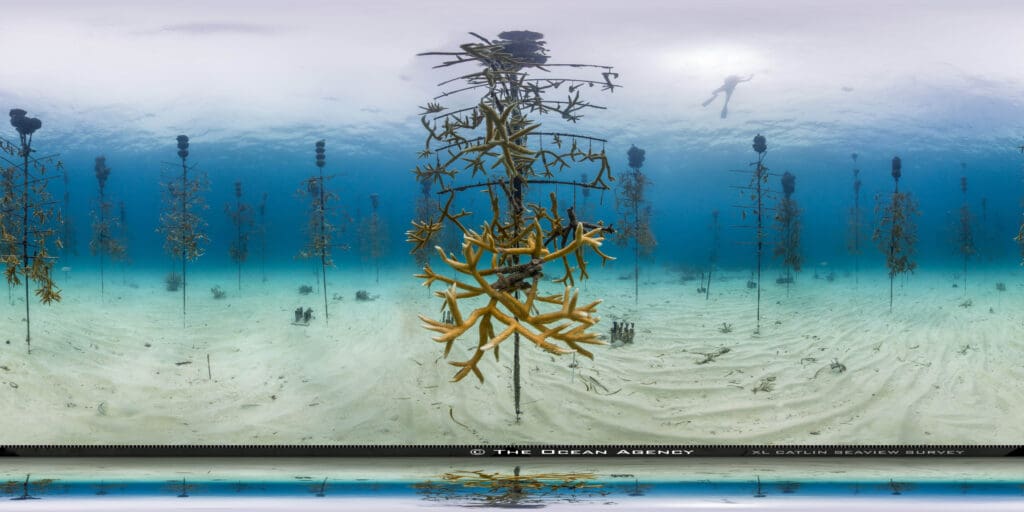
Photo: Ocean Image Bank / Ocean Agency
3D-Printed Reef Structures
Using eco-friendly materials such as sandstone or marine concrete, researchers are creating artificial reef structures that mimic the complexity of natural coral formations. These provide habitat for marine life and surfaces for coral larvae to settle and grow.
Robotics & Reef Monitoring
Advances in marine robotics are transforming reef conservation. Sensor-equipped underwater robots can monitor ocean temperatures, currents, and reef health — enabling scientists to detect bleaching risks earlier and respond more effectively.
Some robotic systems have even been developed to help control outbreaks of crown-of-thorns starfish, a highly destructive coral predator capable of devastating reef systems.
3D Reef Mapping
High-resolution mapping technologies allow researchers to monitor reefs in remarkable detail. By tracking subtle ecological and molecular changes, scientists can identify early signs of reef stress and implement targeted conservation interventions before damage escalates.
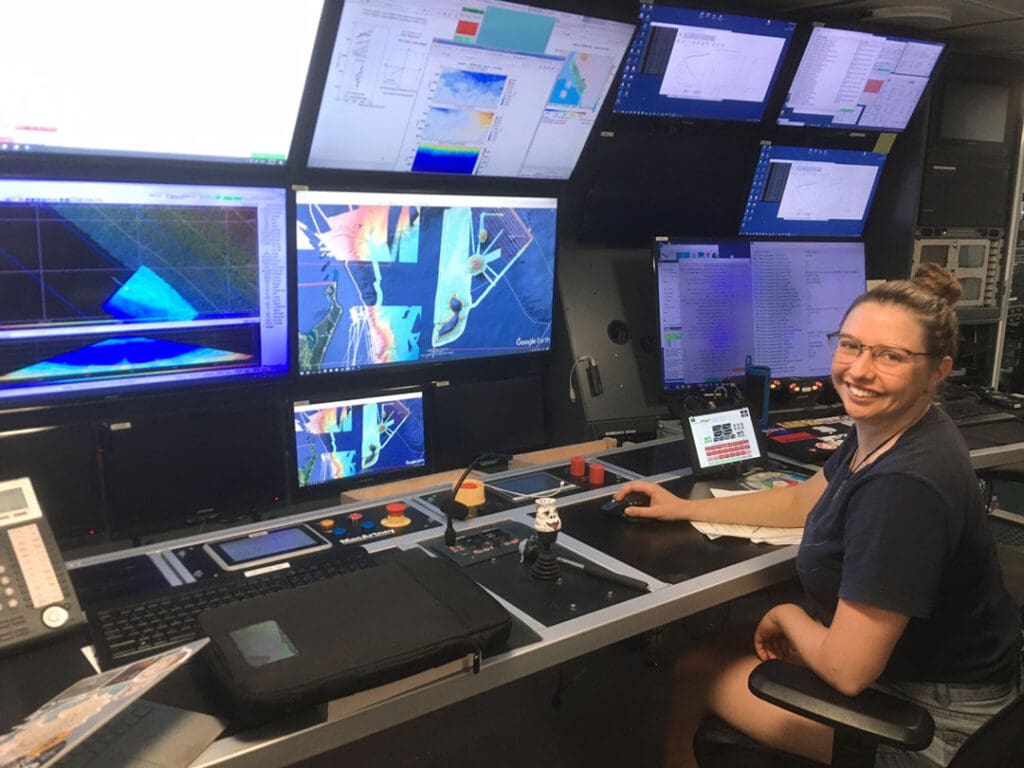
Photo: Schmidt Ocean Institute
Restoration as a Bridge to the Future
Coral reef restoration is not a silver bullet. Reef growth is slow, biodiversity takes time to recover, and restored reefs remain vulnerable to climate impacts.
Yet restoration plays a critical role as a bridge strategy — sustaining coral ecosystems and the communities that depend on them while global efforts to address climate change continue.
For many coastal regions, reefs are not only ecological treasures but social and economic lifelines. Supporting their recovery helps protect food security, livelihoods, and cultural heritage.
How Conscious Choices Can Support Coral Reefs
Protecting coral reefs is not solely the responsibility of scientists and policymakers. Everyday actions — reducing plastic use, lowering carbon footprints, and supporting conservation initiatives — all contribute to ocean health.
Travel, too, can be part of the solution. When guided by ethics, education, and respect for marine life, conservation-led marine tourism helps fund research, support local communities, and foster deeper ocean stewardship.
For those wishing to engage more directly, hands-on conservation initiatives offer meaningful ways to contribute while gaining a deeper understanding of marine ecosystems.
You can learn more about conservation-focused ocean experiences through our
Marine Volunteer Programme:
https://sharkoceancoast.com/marine-volunteer-programme/